

Table of Contents
- West Elm Furniture: Verdict and Key Strengths
- Where West Elm Falls Short: Durability and Delivery Issues
- Frame Construction and Material Quality: What You're Paying For
- West Elm Alternative for Small Apartments: Better Value Options
- Best Mid-Range Furniture Brands in Australia That Compete
- Resale Value and Long-Term Investment: Does West Elm Hold Up?
- Maintenance and Care: Protecting Your Investment
Last Updated: August 26, 2026
West Elm Furniture: Verdict and Key Strengths
Is West Elm furniture worth the price? It depends on what you're buying and what you value. West Elm offers stylish, design-led pieces with strong sustainability and Fair Trade commitments. If you'll pay a premium for contemporary aesthetics and ethical sourcing, some collections justify the cost. But if you prioritise durability and longevity, you're often overpaying for design rather than superior construction.
The brand's strength lies in its curated modern aesthetic and transparent supply chain. Many customers report satisfaction with visual appeal and initial comfort. Design services help visualise spaces before purchase. For renters and young professionals, the design credibility alone can feel valuable, you're buying a visual identity alongside furniture.
However, West Elm's price-to-quality ratio tilts heavily toward design premium rather than construction quality. Sofas starting around A$1,599.20 and climbing to A$6,497 place them firmly in the premium category. That investment should guarantee frame construction and upholstery durability for years of everyday use. Mixed customer reviews suggest it doesn't always deliver.
Where West Elm Falls Short: Durability and Delivery Issues
The most common complaint isn't the price itself, but that quality doesn't match price once items arrive. Frame sagging, upholstery pilling, and cushion compression issues appear frequently in customer feedback, particularly on sofas in the mid-range bracket (A$2,000-A$4,000).
Delivery timelines represent another friction point. Customers report inconsistent lead times, with some pieces arriving within weeks while others take 8-12 weeks or longer. When you've committed A$3,000 to a sofa and wait three months for delivery, any manufacturing defect or transit damage becomes deeply frustrating. West Elm's customer service response has drawn mixed reviews.
Upholstery durability matters most for everyday use. West Elm's performance fabrics hold up reasonably well, but standard fabrics on bestselling sofas show susceptibility to pilling and wear, particularly in households with pets or children. Premium pricing for furniture that shows visible wear within 18 months represents poor value.
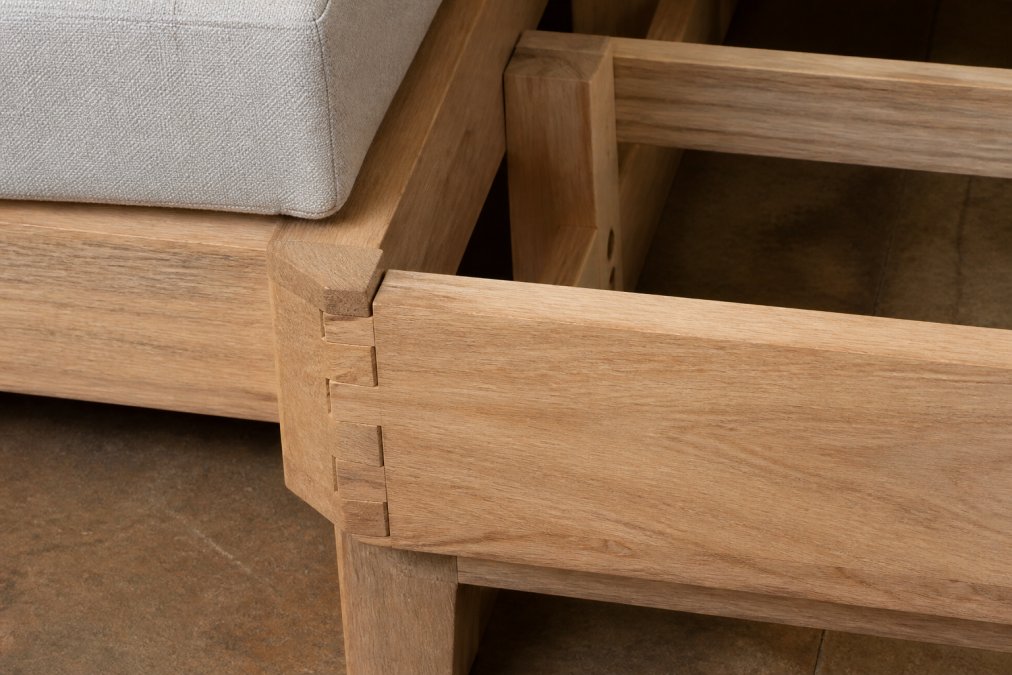
Frame construction quality reveals West Elm's cost-cutting. Many sofas use mixed solid wood and engineered wood joinery rather than fully solid hardwood frames. This hybrid approach reduces manufacturing cost but compromises longevity. Dovetail joints and mortise-and-tenon construction last decades; stapled or glued joints fail much sooner.
Frame Construction and Material Quality: What You're Paying For
Understanding what's inside a West Elm sofa explains why price doesn't always match durability. Frame construction is the skeleton of any piece, get this wrong and everything fails prematurely.
West Elm's sofas typically use solid wood (kiln-dried hardwood like ash or pine) and engineered wood (plywood or particle board) for the frame. Joinery varies by price point. Lower-priced models rely on stapled or glued joints, which loosen over time and cause frame flex and creaking. Higher-priced pieces include mortise-and-tenon or corner-block construction, providing better structural integrity.
A sofa with solid wood frame and proper joinery resists sagging for 10+ years. A frame held primarily with staples and adhesive may feel fine initially but develops movement within 3-5 years of regular use.
Cushion cores represent the second critical factor. High-quality sofas use high-density foam (1.8-2.0 kg/m³) wrapped in natural fibres like cotton or wool. West Elm's mid-range sofas often use lower-density foam (1.2-1.5 kg/m³) that compresses faster. After two years of regular sitting, seat cushions feel flatter and less supportive. Premium sofas use better foam, but you're paying A$4,000+ to access it.
Upholstery performance depends on fibre type and weave density. Performance fabrics resist pilling and staining better than natural fibres. West Elm offers both, but standard options on bestselling models show wear faster in high-traffic households.
The real issue: West Elm's pricing doesn't transparently distinguish between design premium and construction quality. You're paying for brand and aesthetic, hoping construction matches. Often it doesn't. A A$3,500 sofa may have frame and foam equivalent to a competitor's A$2,200 piece. The A$1,300 difference is primarily design and brand positioning.
West Elm Alternative for Small Apartments: Better Value Options
If West Elm's aesthetic appeals but the price doesn't, several mid-range alternatives deliver better value without sacrificing design quality.
Koala Furniture stands out for small-space dwellers. Their sofas range from compact two-seaters to modular configurations, all designed for smaller rooms. Tool-free assembly matters enormously for renters, you can disassemble and move pieces without special equipment. Koala's 120-day trial period lets you live with a sofa for four months before committing. If issues emerge, returns are hassle-free. Washable and replaceable covers are practical for households with pets or children, which West Elm doesn't emphasise. Pricing typically undercuts West Elm by 20-30%.
Freedom Furniture offers physical stores across the country. You can sit on sofas and feel upholstery quality firsthand. In-store consultations help with space planning for small apartments. Quality varies by range, but mid-tier sofas deliver solid construction at reasonable prices. Delivery is generally faster than West Elm, and in-store presence means customer service feels more accessible if issues arise.
OZ Design Furniture caters to Australian interior aesthetics, coastal, Hamptons, mid-century modern, and Scandinavian styles. If West Elm's design language appeals, OZ Design's ranges offer similar visual direction at lower price points. Customisation options (fabric, finishes, sizing) give you control over materials. Physical stores across multiple states let you see pieces in person.
The Family Nest offers space-saving furniture and smart organisation solutions for compact living. Easy installation with provided guides and free returns lower purchase risk. The 30-day return policy gives time to assess whether pieces genuinely maximise your space. Their focus on practical home essentials rather than design-led trends means pricing reflects functionality rather than brand premium.
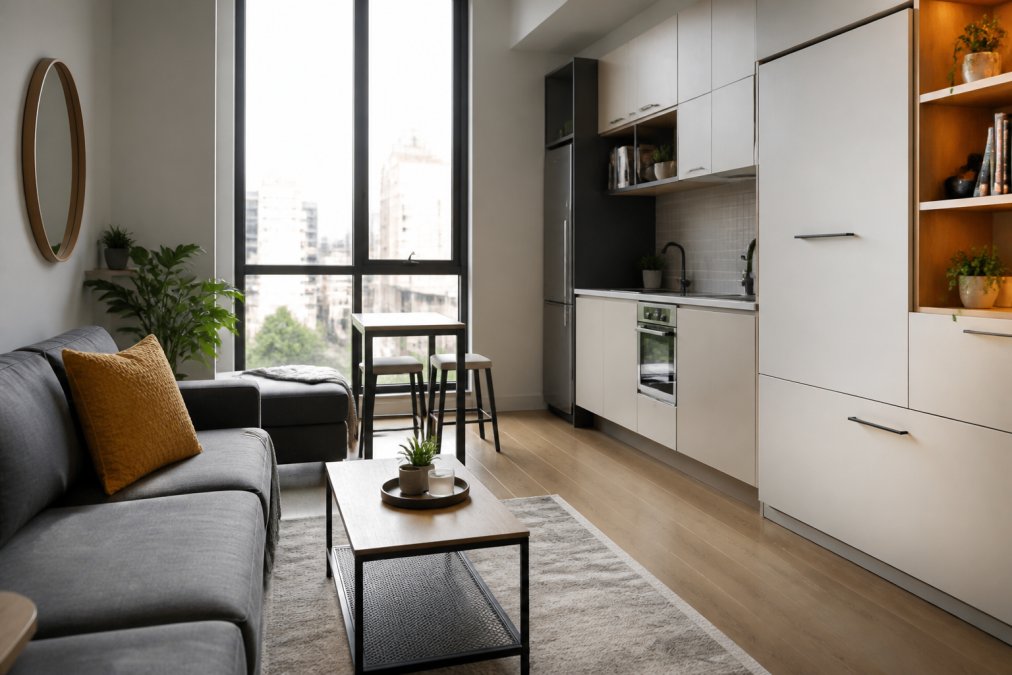
These alternatives prioritise practical value, durability, easy assembly, generous return policies, and realistic pricing over design premium. You're not paying for a brand name; you're paying for furniture that works in small spaces without premium pricing for basic construction quality.
Best Mid-Range Furniture Brands in Australia That Compete
The mid-range furniture market in Australia has matured significantly. Brands competing with West Elm's price point now offer comparable design quality with better value.
Koala Furniture leads the mid-range for renters and small-space dwellers. Their sofas balance design appeal with practical durability. The 120-day trial removes purchase risk. Tool-free assembly means you can move pieces yourself when relocating. Washable covers address a real problem West Elm ignores: pets and children damage upholstery, and replaceable covers let you refresh without replacing the entire sofa. Customer feedback consistently praises comfort and construction quality. Pricing ranges from A$1,200 for compact two-seaters to A$2,500 for larger configurations, notably lower than West Elm's entry points.
Freedom Furniture dominates mid-range through retail presence and in-store expertise. Their sofas and bedroom furniture show solid construction quality, particularly in mid-tier ranges. In-store consultations help with space planning. Delivery is faster than West Elm (typically 4-6 weeks versus 8-12 weeks). Customer satisfaction with quality is high. Sofas typically range from A$1,800 to A$4,000 depending on size and configuration.
OZ Design Furniture specialises in Australian interior aesthetics. For mid-century modern or Scandinavian design similar to West Elm's direction, OZ Design delivers at lower price points. Customisation on select ranges lets you choose fabrics and finishes. Physical stores across multiple states provide in-person evaluation. Pricing typically undercuts West Elm by 15-25%, with consistent praise for delivery professionalism and speed.
| Brand | Starting Price | Best For | Key Advantage | Return Period |
|---|---|---|---|---|
| West Elm | A$1,599 | Design-led aesthetic seekers | Contemporary design & ethical sourcing | Variable by product |
| Koala Furniture | A$1,200 | Renters & small apartments | 120-day trial & tool-free assembly | 120 days |
| Freedom Furniture | A$1,800 | In-person shoppers | Physical stores & fast delivery | 30 days |
| OZ Design Furniture | A$1,350 | Australian style preferences | Customisation & regional stores | 30 days |
| The Family Nest | Varies | Space optimisation & renters | Easy installation & organisation focus | 30 days |
The key differentiator isn't design quality, most mid-range brands match West Elm's aesthetics. The differentiator is value: construction quality relative to price, return policies that reduce purchase risk, and practical features (tool-free assembly, customisation, generous trial periods) that matter for real-world living.
Resale Value and Long-Term Investment: Does West Elm Hold Up?
If you're treating furniture as an investment for eventual resale, West Elm's resale value tells an important story.
West Elm pieces depreciate significantly faster than mid-range alternatives. A sofa purchased for A$3,500 typically resells for A$1,200-A$1,800, representing a 50-65% loss in value. This reflects design trends shifting quickly and durability concerns emerging as pieces age.
A Koala sofa purchased for A$2,000 often resells for A$1,100-A$1,400, a 30-45% loss. The smaller depreciation reflects stronger durability reputation and less design-trend dependency. Buyers of secondhand mid-range furniture trust construction quality more than they trust secondhand West Elm pieces.
Design-led furniture depreciates faster because trends change. West Elm's mid-century modern aesthetic is popular now, but different styles will dominate in five years. Mid-range brands with less pronounced design identity hold resale value better.
Durability reputation directly impacts resale value. If West Elm's frame sagging and cushion compression issues are widely known, buyers offer lower prices for secondhand pieces, factoring in the likelihood of structural issues. Mid-range brands with stronger durability reputations command higher resale prices relative to original cost.
For renters planning to move every 2-3 years, resale value represents real money. A A$3,500 West Elm sofa reselling for A$1,200 costs A$2,300 in depreciation over three years, approximately A$77 per month. The same A$2,000 Koala sofa reselling for A$1,200 costs A$800 in depreciation, approximately A$27 per month.
Maintenance and Care: Protecting Your Investment
How you maintain West Elm furniture determines whether it holds value or deteriorates rapidly. Understanding material-specific care is essential before purchasing.
Upholstery maintenance is where most customers fail. West Elm sofas with standard fabrics require regular vacuuming with an upholstery brush attachment, weekly for households with pets or children, monthly otherwise. This prevents dust, dirt, and hair from embedding into fibres and accelerating pilling and wear.
Fabric-specific care matters enormously. Natural fibres (cotton, linen, wool blends) need gentler handling than performance synthetics. Spills on natural fibres should be blotted immediately with a dry cloth, never rubbed. Performance fabrics can handle slightly more aggressive cleaning.
Cushion care extends lifespan significantly. Flipping and rotating seat cushions monthly distributes wear evenly and slows compression. Many owners never do this, then wonder why one side sags while the other stays firm.
Frame maintenance is simpler but often overlooked. Solid wood frames benefit from occasional wood conditioning (once or twice yearly) to prevent drying and cracking. Loose joints can be tightened with wood glue and clamps if they develop movement, a A$50-A$100 intervention that prevents structural failure.
Fabric protection treatments (scotchgard or equivalent) applied at purchase reduce staining risk significantly. West Elm doesn't typically apply these, but upholsterers can apply them post-purchase for A$200-A$400. For households with children or pets, this investment prevents permanent stains that devalue the piece.
West Elm furniture requires the same care as mid-range alternatives. The difference is that mid-range pieces often tolerate neglect better, their construction is less design-optimised and more durability-focused. A neglected West Elm sofa may show significant problems within two years; a Koala or OZ Design sofa might show less dramatic deterioration.
The verdict: Is West Elm furniture worth the price? For specific use cases, yes. If you value contemporary design, ethical sourcing, and design services, and you'll maintain furniture meticulously and replace it within 5-7 years, West Elm delivers on its promise. You're paying for aesthetic curation and brand positioning.
For renters, small-space dwellers, and households with pets or children, mid-range alternatives offer better value. Koala Furniture's 120-day trial and tool-free assembly remove purchase risk. OZ Design's customisation and regional presence provide practical advantages West Elm doesn't. The Family Nest's focus on space-saving solutions and easy installation directly addresses the needs of apartment dwellers and renters who can't commit to heavy, design-led pieces they'll eventually leave behind.
The Family Nest curates stylish and practical home essentials designed specifically for renters and small-space living. With free shipping, easy installation guides, and a 30-day return policy, the purchase decision carries minimal risk. Their smart organisation solutions and space-saving furniture directly address the constraints that make West Elm's design-forward approach impractical for transient living situations.
Frequently Asked Questions
Is West Elm furniture worth the price compared to mid-range alternatives?
West Elm offers contemporary design and sustainable sourcing, but premium pricing often exceeds the quality delivered. Mid-range brands like Koala and OZ Design provide comparable durability at lower cost. The price-to-quality ratio depends on whether you value design-led aesthetics enough to justify the markup. For renters or those prioritising functionality over brand prestige, alternatives typically offer better value.
What are the most common complaints about West Elm furniture quality?
Customers report frame sagging within months, fabric pilling on upholstery, and inconsistent quality across product batches. Delivery damage and long lead times are frequent issues. Whilst West Elm emphasises sustainable sourcing, the structural integrity of many pieces does not justify the premium price. Warranty coverage is often limited, leaving buyers responsible for repairs after the initial period.
Are there better West Elm alternatives for small apartments?
Yes. Koala offers tool-free assembly and washable covers ideal for compact spaces, plus a 120-day trial. The Family Nest specialises in space-saving solutions with easy installation and 30-day returns, perfect for renters. OZ Design provides customisation options and mid-century modern aesthetics at lower price points. All three prioritise functionality over trend-driven design, making them smarter choices for apartments where flexibility and durability matter more than brand prestige.
How does West Elm's resale value compare to mid-range furniture brands?
West Elm furniture typically holds 30-40% of its original value on the secondhand market, depending on condition and design trend cycles. Mid-range brands like Koala and OZ Design often retain similar or better resale value because they prioritise construction durability over trend-led design. If you plan to move frequently or upgrade furniture, mid-range alternatives with solid joinery and timeless aesthetics offer better long-term investment potential than West Elm's design-focused pieces.
This article was written using GrandRanker