

Table of Contents
- What Defines Lulu and Georgia Style
- How to Layer Textures in a Bedroom for Depth and Warmth
- Best Bedroom Colour Palettes for Relaxation and Balance
- Bedroom Lighting Design Best Practices for Ambiance
- Essential Furniture Pieces for a Curated Bedroom Look
- Budget-Conscious Styling and Sustainable Alternatives
- Bringing It All Together: Your Bedroom Transformation
- Frequently Asked Questions
Last Updated: September 29, 2026
What Defines Lulu and Georgia Style
Lulu and Georgia style bedroom represents a carefully curated aesthetic that blends modern elegance with warm, inviting comfort. This design philosophy centres on layered textures, a balanced colour palette, and intentional statement pieces that work together to create a sanctuary rather than just a place to sleep.
The core lies in thoughtful curation: every piece serves a purpose, whether functional or emotional. A Lulu and Georgia style bedroom strikes a deliberate balance between maximalism and minimalism, prioritising quality over quantity.
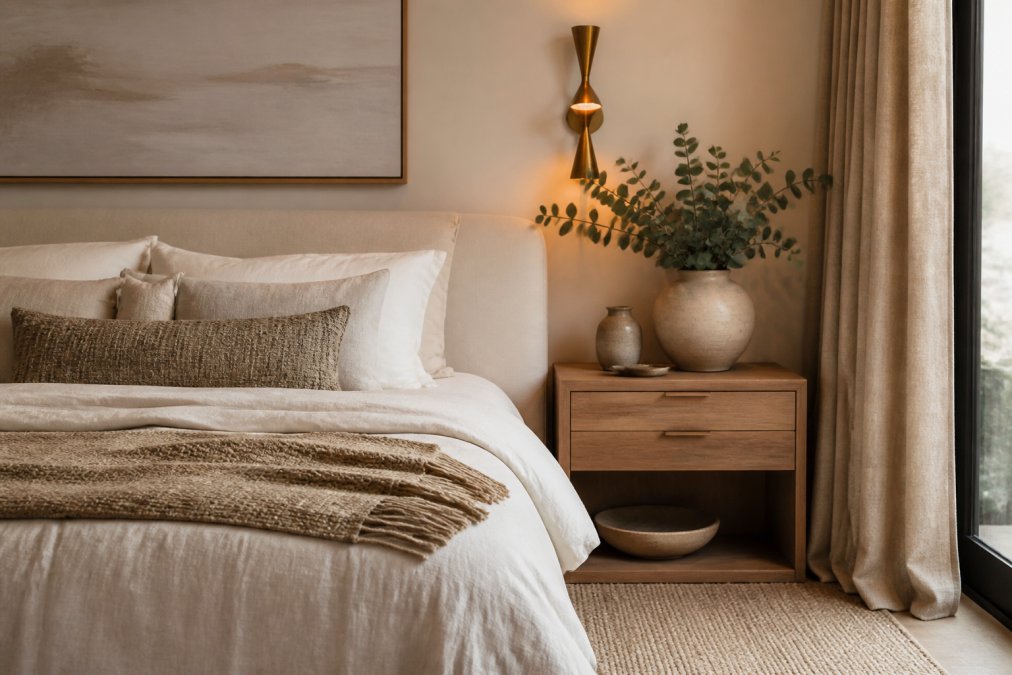
A well-designed Lulu and Georgia style bedroom incorporates soft furnishings in neutral tones, statement lighting, and accent pieces that add personality without overwhelming the space, creating a retreat for both rest and visual enjoyment.
This style is accessible because it focuses on layering and arranging existing elements. Strategic choices about textiles, lighting, and furniture arrangement transform a bedroom's atmosphere without requiring expensive purchases.
How to Layer Textures in a Bedroom for Depth and Warmth
Layering textures creates depth by transforming a flat space into one that invites touch and visual exploration. Select complementary textures that create visual interest without chaos.
Start with the bed as your base layer. Layer a quality linen or cotton sheet with a weighted blanket or quilt, then add a throw blanket. Each layer should have slightly different texture, smooth cotton, chunky knit, woven linen, so the eye and hand register distinct surfaces.
Wall treatments like textured wallpaper or fabric panels add visual dimension without permanent changes. Rugs introduce another layer: a jute base rug layered with a softer wool or cotton runner creates comfort and visual interest through rough and smooth textures.
Decorative pillows in varying weaves and curtains in natural fabrics add textural depth. Choose a cohesive colour palette first, then select three to four complementary textures rather than seven competing ones.
Best Bedroom Colour Palettes for Relaxation and Balance
The best bedroom colour palettes for relaxation use warm neutrals, soft earth tones, and muted jewel tones that calm the nervous system rather than energise it.
Warm neutral palettes, creams, warm greys, soft beiges, pale taupe, reflect light gently and provide a backdrop for accent pieces. Warm white or soft greige feels more settled than cool white or stark grey.
Add depth by varying undertones: creamy walls with greige textiles and warm wood furniture. Introduce one accent colour (muted sage, soft terracotta, or dusty blue) in roughly 10-15% of the visual space for personality without disruption.
Avoid high-contrast combinations. Choose muted versions: soft sage instead of forest green, dusty rose instead of hot pink. Tone softness matters as much as colour choice.
Test paint samples across the full day cycle, as lighting dramatically shifts how colour reads in a space.
Bedroom Lighting Design Best Practices for Ambiance
Lighting is perhaps the most underestimated element in bedroom design. Poor lighting can undermine even the most thoughtfully curated space, while strategic lighting transforms a room's entire atmosphere. The best bedroom lighting design combines functional task lighting with ambient and accent lighting.
Layered lighting means having multiple light sources at different brightness levels. Overhead ceiling lights should be dimmable, they're necessary for cleaning and finding things, but harsh overhead light contradicts the restful aesthetic. Bedside task lighting (reading lamps on nightstands or wall-mounted sconces) provides functional illumination without affecting the whole room. Ambient lighting comes from softer sources: a floor lamp in a corner, decorative string lights, or candles.
Statement lighting fixtures serve double duty as both functional light sources and decorative focal points. A sculptural brass pendant, a vintage-inspired table lamp, or a dramatic chandelier adds visual interest while providing necessary illumination. These pieces should reflect your room's colour palette and overall design direction.
Colour temperature matters significantly. Warm white light (2700K) creates a cosy, relaxing atmosphere suitable for bedrooms. Cool white light (4000K+) feels more clinical and energising. Choose warm bulbs throughout your bedroom to maintain visual and psychological consistency. Dimmable bulbs allow you to adjust brightness based on your needs, brighter for getting ready, dimmer for winding down.
Position lighting to avoid harsh shadows and glare. Bedside lamps should illuminate reading material without shining directly into your eyes. Wall sconces flanking the bed provide balanced light without the bulk of traditional nightstands. A floor lamp in a corner bounces light off walls and ceiling, creating soft, diffused illumination.
Essential Furniture Pieces for a Curated Bedroom Look
The furniture you choose shapes both the room's functionality and its visual impact. A Lulu and Georgia style bedroom prioritises quality, timeless pieces that work together cohesively rather than mismatched items collected over time.
The bed itself is the room's anchor. Invest in a frame that reflects your aesthetic, whether that's a simple upholstered platform, a wooden frame with clean lines, or a statement headboard. The bed should feel substantial and intentional, not like an afterthought. Pair it with a quality mattress and base layer of bedding that genuinely supports good sleep, not just looks good.
Nightstands serve both functional and design purposes. They should be proportional to your bed and provide surface space for a lamp, water glass, and personal items. Floating shelves work for renters who can't install traditional nightstands. The key is having dedicated surfaces for the items you actually use at night, preventing clutter on the bed itself.
A bedroom bench or upholstered ottoman at the foot of the bed adds functionality and visual interest. It provides a place to sit while dressing, a surface for folding clothes, or additional seating for conversation. Choose one in a complementary colour or texture to your bedding.
Dressers or chest of drawers should be both functional and beautiful. Open shelving or a low console can work if you prefer a minimalist approach. The goal is storage that doesn't feel like storage, pieces that integrate into your design rather than appearing as practical necessities bolted onto the room.
A comfortable chair or reading nook elevates the space from bedroom to sanctuary. Even a small accent chair in a corner with a side table and lamp creates an invitation to linger. This transforms the bedroom from purely functional to genuinely inviting.
Budget-Conscious Styling and Sustainable Alternatives
Creating a Lulu and Georgia style bedroom doesn't require luxury pricing. Strategic choices about where to invest and where to economise allow you to achieve this aesthetic at various price points.
Focus your budget on pieces you'll use daily and that form the visual foundation: quality bedding, a comfortable mattress, and a bed frame that reflects your style. These items directly affect both sleep quality and how the room feels. Spending more here yields genuine benefits beyond aesthetics.
Secondary pieces can be sourced more economically. Nightstands, dressers, and accent furniture often work just as well at mid-range price points as at luxury levels. Look for solid construction and timeless design rather than trend-driven pieces. A simple wooden nightstand from a high-street retailer can look just as curated as an expensive designer version if it fits your colour palette and proportions.
Textiles offer significant opportunity for budget-conscious styling. Quality basics in neutral colours (cream sheets, grey throw blankets, beige pillows) cost less than patterned or trendy options and last longer. Build visual interest through layering affordable pieces rather than buying one expensive statement textile. A £20 throw blanket layered with a £15 decorative pillow and £10 cushion cover creates more visual impact than a single £50 item.
Sustainable alternatives align with budget consciousness.
Bringing It All Together: Your Bedroom Transformation
Implementing a Lulu and Georgia style bedroom is less about following rigid rules and more about understanding core principles and applying them thoughtfully to your specific space. The transformation happens through intentional choices layered over time rather than a complete overhaul.
Frequently Asked Questions
What design style are Lulu and Georgia known for?
Lulu and Georgia style blends modern elegance with classic comfort, emphasising curated aesthetics and layered textures. The signature look features warm, neutral colour palettes, statement furniture pieces, soft furnishings, and thoughtful ambient lighting that creates an inviting bedroom sanctuary. This approach prioritises visual balance and timeless design over fleeting trends, making spaces feel both aspirational and liveable.
How can I incorporate warm, layered textures into my Lulu and Georgia style bedroom?
Start with a quality base, a textured bedframe or upholstered headboard. Layer a chunky knit throw over your bedding, add linen pillows in varying tones, and include a plush area rug. Mix materials like wood, metal, ceramic, and natural fibres in accent pieces. Soft furnishings such as curtains, cushions, and wall hangings add depth without overwhelming the space. The key is combining different textures that feel cohesive rather than chaotic.
What colour palette works best for a relaxing bedroom?
Warm neutrals, soft whites, warm greys, beiges, and muted taupes, form the foundation of a tranquil bedroom. Layer in accent colours sparingly: soft sage green, warm terracotta, or dusty blue create visual interest without disrupting calm. Avoid bright, saturated hues in large areas. The best bedroom colour palettes for relaxation maintain visual balance by keeping 70% of the room in soft, grounding tones and reserving bolder shades for small accent pieces or artwork.
Is your furniture easy to disassemble and move when I relocate?
The Family Nest designs furniture with renters and relocators in mind. Most pieces include clear assembly guides and use standard tools for disassembly. Modular storage units, lightweight accent furniture, and items without permanent installation are ideal for moves. Check product pages for specific assembly details before purchase. Our 30-day return policy also gives you time to confirm a piece works in your space before committing long-term.