

Table of Contents
- What Quality Home Essentials Really Are
- The ROI of Investing in Quality Essentials
- Sustainable Home Products Australia: Why They're Worth the Premium
- Durable Home Essentials Checklist: What Actually Lasts
- Smart Home Integration Benefits: Future-Proofing Your Living Space
- How Quality Essentials Improve Your Home's Psychological Impact
- Building Your Curated Space: Intentional Living Over Fast Homeware
- Conclusion: Quality Essentials as a Lifestyle Investment
Last Updated: August 7, 2026
What Quality Home Essentials Really Are
Quality home essentials are foundational pieces that transform a house into a functional, comfortable living space. They're intentional investments in items you use daily: bedding that lasts years, furniture that supports proper ergonomics, storage solutions that fit your space, lighting that creates atmosphere without flickering, and textiles that improve with age.
A cheap bedsheet feels scratchy after five washes; a quality one softens. A particle-board shelf sags within a season; solid timber with proper joinery supports weight for decades. This distinction between what merely functions and what genuinely serves your life separates quality home essentials from everything else cluttering the market.
At The Family Nest, we've built our entire approach around this principle: curated, practical pieces designed to elevate your living space without requiring you to become an interior designer or sacrifice functionality for aesthetics.
Quality home essentials serve three purposes simultaneously. First, they perform reliably. A quality mattress supports your spine properly; a cheap one develops a permanent valley within months. Second, they improve with use. Solid wood darkens beautifully; linen bedding becomes softer. Third, they reduce waste. When you buy something built to last, you're not replacing it every two years, which means fewer items in landfill and less money spent replacing broken goods.
Your home environment shapes your mood, energy, and how you move through your day. When surrounded by items that work well, feel good to touch, and reflect intentional choices, you experience less friction. Quality essentials eliminate daily frustrations like sticking drawers, poor sleep, and harsh lighting.
The ROI of Investing in Quality Essentials
Most people calculate home goods cost by dividing purchase price by expected lifespan. A $200 mattress lasting two years costs $100 per year. A $1,200 mattress lasting ten years costs $120 per year, barely different on a per-year basis, yet the quality difference in sleep is transformative.
The real ROI appears in three forms. First, reduced replacement costs. You're not buying new furniture every few years because pieces fell apart or became uncomfortable. Second, improved functionality. Quality essentials perform their job properly, so you're not working around broken or inadequate items. Third, psychological benefit. Your home feels intentional and calm rather than chaotic and temporary.
A common mistake is treating quality home essentials as luxury purchases. They're efficiency purchases. The upfront cost is higher, but total cost of ownership, including replacement cycles, repairs, and the psychological cost of living with broken items, is lower.
Sustainable Home Products Australia: Why They're Worth the Premium
Sustainable home products Australia has shifted from niche to mainstream, driven by genuine improvements in manufacturing and growing awareness of lifecycle costs.
The premium for sustainable home products reflects the true cost of production. Conventional manufacturing externalises costs, pollution, water use, worker conditions, that don't show up on the price tag. Sustainable manufacturing internalises these costs, which is why prices are higher. You're paying for the actual impact of the product.
In Australia, sustainable materials like locally-sourced timber, organic cotton, and recycled fibres are increasingly available. Natural stone sourced responsibly from Australian suppliers offers durability that synthetic alternatives can't match. Heirloom quality textiles made from natural materials last decades and improve with use, whereas synthetic fabrics degrade quickly and often end up in landfill.
The environmental argument is important, but the practical argument is stronger. Sustainable products last longer. Natural fibres breathe, regulate temperature, and age beautifully. Responsibly-sourced timber has better grain structure and stability than fast-grown plantation wood. Organic cotton bedding becomes softer with washing rather than pilling and breaking down.
For renters and those uncertain about long-term commitments, sustainable home products Australia offers another advantage: they're easier to move. Quality pieces designed for longevity are built to be relocated. You're not abandoning broken items when you change homes; you're taking investment pieces with you.
The Family Nest sources sustainable options because they align with our commitment to quality. Pieces built to last reduce waste, perform better, and ultimately cost less over their lifetime.
Durable Home Essentials Checklist: What Actually Lasts
Building a home with durable home essentials means prioritising items that see heavy use and are worth the investment.
Bedding and Sleep Foundation Your mattress is the single most-used item in your home. A quality mattress with proper support, natural materials, and solid construction lasts 8-10 years. Pair it with durable sheets made from natural fibres like linen or high-thread-count cotton. These improve with washing and last 5-7 years.
Furniture with Proper Joinery Solid wood with mortise-and-tenon joinery or dowel joinery lasts decades. Particleboard with pocket-hole joinery fails within 5 years. Look for furniture made from hardwoods like oak, walnut, or ash. Weight is a signal; quality furniture is heavier because it's made from denser materials.
Storage Solutions Durable storage means solid construction and proper weight distribution. Shelving should be supported by solid brackets or integrated into a frame. Drawers should have solid bottoms and smooth glides, not thin plywood that sags under weight.
Lighting Fixtures Quality lighting means no buzzing, flickering, or colour shift over time. LED fixtures should be dimmable and warm-toned. Avoid cheap fixtures with plastic components that yellow or crack. Solid metal and glass fixtures last indefinitely.
Textiles and Soft Furnishings Natural fibres outperform synthetics in durability and tactile experience. Wool rugs, linen curtains, and cotton upholstery age beautifully and resist staining. Synthetic fabrics pill, fade, and deteriorate quickly.
| Essential Item | Expected Lifespan | Quality Indicator | Replacement Cost |
|---|---|---|---|
| Mattress | 8-10 years | Natural materials, solid support, no sagging | High |
| Bedding (sheets) | 5-7 years | High thread count, natural fibres, soft feel | Medium |
| Furniture | 15-25 years | Solid wood, proper joinery, weight | High |
| Storage solutions | 10-15 years | Solid construction, smooth operation, stability | Medium |
| Lighting fixtures | 20+ years | Metal/glass construction, consistent brightness | Medium |
| Textiles | 7-10 years | Natural fibres, resistance to pilling | Medium |
Prioritise items you use daily and items that are expensive to replace. Skip the premium option on decorative pieces; invest heavily in functional essentials.
Smart Home Integration Benefits: Future-Proofing Your Living Space
Smart home integration benefits extend beyond convenience; they're about creating a living space that adapts to how you actually live and improves over time.
Future-proofing your living space means choosing essentials that work with current technology without becoming obsolete when standards change. Quality furniture with timeless design accommodates smart lighting, temperature control, and organisation systems. Ambient lighting that adjusts colour temperature throughout the day supports better sleep and focus.
The integration works best when it's invisible. You don't want to think about your home's systems; you want them to work seamlessly. This means choosing essentials designed to work together rather than bolting technology onto pieces that weren't built for it.
Acoustic excellence matters more than most people realise. Hard surfaces reflect sound and create harsh echoes; quality textiles and soft furnishings absorb sound naturally. A room with good acoustics feels calm and supports conversation.
When your home responds to your needs, lighting adjusts as the sun sets, temperature maintains comfort without adjustment, storage is organised so you find things immediately, you experience less friction. This reduces decision fatigue and creates a sense of control.
The Family Nest approach to smart home integration is intentional: we choose pieces that enhance functionality without requiring you to become a technology expert. Easy installation, clear guides, and reliable support mean you're not struggling with setup.
How Quality Essentials Improve Your Home's Psychological Impact
The environment you live in shapes your mood, energy, and how you move through your day in ways that are difficult to quantify but impossible to ignore.
A home filled with quality essentials feels fundamentally different from one filled with temporary, poorly-made items. When everything around you works properly, looks intentional, and feels good to touch, you experience less ambient stress.
Consider daily friction points. A drawer that sticks costs you mental energy every time you open it. A mattress that doesn't support your spine properly affects your sleep quality. Harsh lighting creates eye strain and affects mood. Poor storage means you can't find things. These small irritations compound into a background sense of chaos.
Quality essentials eliminate this friction. Smooth-gliding drawers open effortlessly. A supportive mattress means better sleep. Warm, adjustable lighting creates atmosphere. Thoughtful storage means you find what you need immediately.
When your home reflects intentional choices rather than impulse purchases, it feels curated rather than chaotic. This sense of intentionality creates a psychological sense of control and calm.
Natural materials like wood, stone, and linen create warmth and connection. Textural interest engages your senses positively. Intentional colour choices that reflect your preferences rather than trends create a space that feels like home.
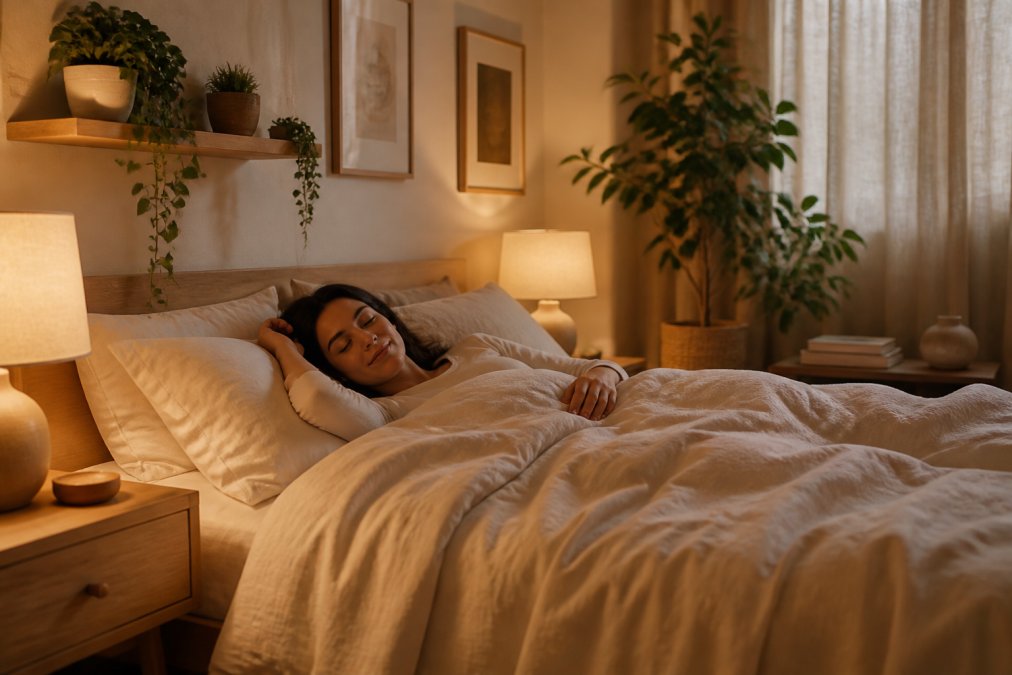
Environmental psychology research is clear: your surroundings influence stress levels, sleep quality, and overall wellbeing. A home designed with quality essentials that prioritise comfort, functionality, and intentional aesthetics supports better mental health.
Building Your Curated Space: Intentional Living Over Fast Homeware
The shift from quantity to quality in home furnishing reflects a broader movement toward intentional living: making conscious choices about what enters your space rather than accumulating items because they're cheap or trendy.
Fast homeware operates on high volume, low price, and constant novelty. Items are designed to look good in photos, last long enough to avoid complaints, and create the need for replacement through trend cycles. This approach generates waste and fills your space with items that don't genuinely serve you.
Intentional living reverses this. You choose fewer items, but they're chosen deliberately. Each piece serves a function, reflects your aesthetic preferences, and is built to last. This approach requires more thought upfront but results in a space that's calmer, more functional, and genuinely reflects who you are.
When you're not constantly replacing broken items or dealing with clutter, you have more mental space and more money. You're not making purchasing decisions every week because something failed or went out of style.
Building a curated space means starting with essentials, items you use daily and pieces that define how your home functions. Then add items that reflect your aesthetic and interests. Each piece should earn its place through function, beauty, or both.
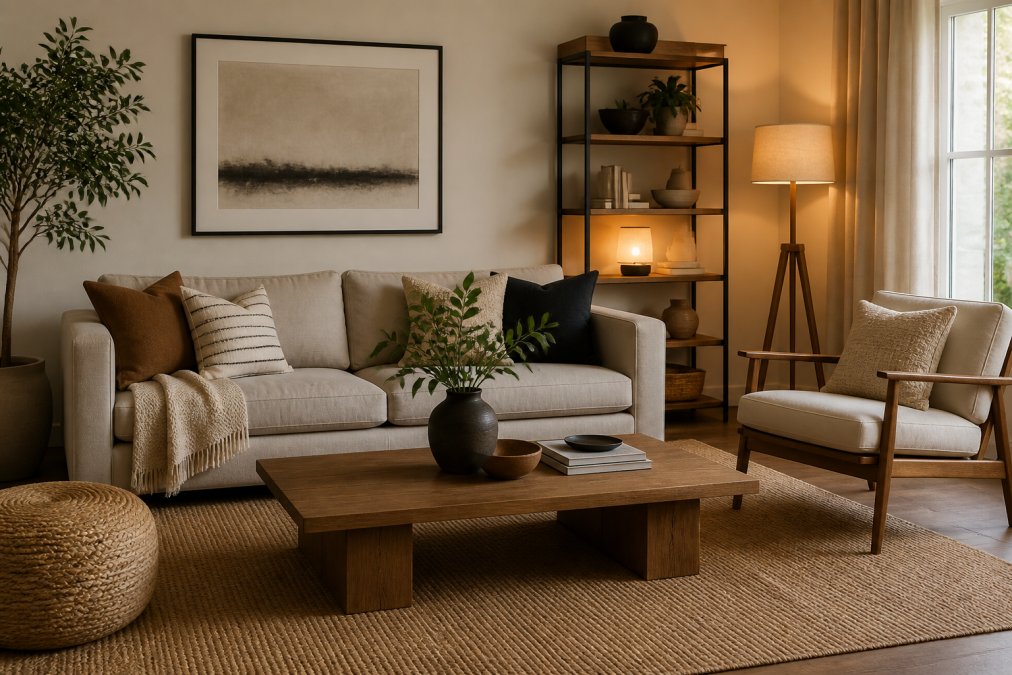
For renters and those uncertain about long-term commitment, intentional living means choosing pieces that work in multiple spaces and are easy to move. Quality furniture designed for longevity is built to be relocated.
The Family Nest philosophy aligns with intentional living. We offer curated selections rather than overwhelming choice. Our pieces are chosen for quality, functionality, and aesthetic longevity. Easy installation means you can set up your space without stress. Free returns mean you can try pieces in your actual space and return them if they don't work.
This approach requires patience. You're not filling your home in a weekend. You're building it thoughtfully, piece by piece. The result is a space that genuinely serves you, looks intentional, and improves over time.
Quality home essentials represent a fundamental shift in how we think about the spaces we live in. They're investments in daily comfort, reduced waste, and a home environment that supports your wellbeing.
Items built to last cost less over their lifetime, perform better, and create a living space that feels intentional and calm. When you surround yourself with pieces that work properly, look good, and feel good to touch, you experience less daily friction and more genuine comfort.
The Family Nest exists to make this approach accessible. Our curated selection of quality home essentials, easy installation, free shipping, and reliable support remove the friction from building a thoughtful home. Whether you're furnishing your first apartment, optimising your storage, or upgrading your bedroom comfort, our pieces are chosen because they work functionally, aesthetically, and over time.
Start with one or two essentials that will genuinely improve your daily life. Choose pieces you'll use constantly and that reflect your preferences. Add intentionally over time. The result will be a home that genuinely works for you. That's worth the investment.
Frequently Asked Questions
What's the difference between quality home essentials and fast homeware?
Fast homeware prioritises low cost and trend-chasing, often with synthetic materials and short lifespans. Quality home essentials focus on durability, functional design, and timeless aesthetics. They use heirloom-quality materials like natural stone, timber, and premium textiles that withstand years of use. While quality essentials cost more upfront, they outlast fast homeware by 5-10 years, making them more economical long-term and reducing waste.
How do quality home essentials impact property value?
Quality essentials contribute to your home's liveability and aesthetic longevity, which influences perceived value. Well-chosen investment pieces, durable bedding, smart storage solutions, and timeless furniture, create spatial flow and functional design that appeal to future buyers. Properties with curated, well-maintained essentials typically command higher valuations. Additionally, sustainable home products Australia increasingly expects demonstrate conscious consumption, a factor many buyers now value in their purchasing decisions.
What makes a home essential 'durable' according to Australian standards?
Durable home essentials meet rigorous Australian standards for safety, construction, and material quality. Look for products certified under AS/NZS standards, which assess structural integrity, fire safety, and material durability. A durable home essentials checklist should include items with solid construction (mortise-and-tenon joinery, not particle board), natural or premium synthetic materials, and warranties of at least 5 years. Test weight capacity, drawer glides, and seam quality before purchasing to ensure longevity.
How can smart home integration benefits actually improve my daily life?
Smart home integration benefits extend beyond convenience, they enhance comfort, safety, and energy efficiency. Intelligent lighting adjusts to circadian rhythms, improving sleep quality. Smart thermostats reduce energy waste and lower bills. Integrated storage systems with motion sensors and app controls simplify organisation, saving time daily. For renters, many smart solutions are non-permanent, making them ideal for those who move frequently. The real benefit is creating a home environment that responds to your needs, reducing friction in daily routines.
Is quality furniture worth buying if I'm renting?
Yes, especially if you choose pieces with portability in mind. Quality essentials like modular furniture, lightweight storage solutions, and easy-to-disassemble items move with you without damage. Renters benefit from heirloom-quality textiles (bedding, cushions) and portable lighting that create comfort across multiple spaces. The durability means your investment travels with you, unlike fast homeware that deteriorates during moves. Many quality pieces are also designed for flexibility, adapting to different room layouts as your living situation changes.
What's the psychological impact of living with quality home essentials?
Your environment directly influences mood, stress levels, and productivity. Quality essentials create a curated space that feels intentional rather than cluttered, reducing cognitive load. Tactile experience matters, premium textiles, natural stone, and timber accents engage your senses positively. A home with aesthetic longevity and minimalism with character fosters calm, while poor-quality, mismatched pieces create subconscious anxiety. Studies show intentional living spaces improve sleep, focus, and overall wellbeing, making quality essentials an investment in mental health.
How do I identify sustainable home products Australia actually recommends?
Look for certifications from recognised Australian bodies: GECA (Good Environmental Choice Australia), FSC (Forest Stewardship Council) for timber, and Australian Made logos. Check material sourcing, products using natural stone, reclaimed timber, or certified sustainable fibres reduce environmental impact. Lifecycle assessment matters: durable goods require fewer replacements, lowering your carbon footprint. Australian retailers increasingly stock products meeting these standards. Ask suppliers about manufacturing practices and end-of-life recyclability to ensure your purchase aligns with conscious consumption values.
Why are timeless designs preferred over trend-focused furniture in 2026?
Timeless designs future-proof your home investment. Trend-focused pieces become dated within 2-3 years, creating waste and forcing replacement. Quality essentials with timeless aesthetics, neutral tones, clean lines, functional design, remain relevant across decades. This shift reflects growing environmental awareness and desire for intentional living. Timeless pieces also offer better resale value and adapt to changing interior preferences without replacement. In 2026, the focus is on heirloom quality and aesthetic longevity rather than chasing seasonal trends.
This article was written using GrandRanker